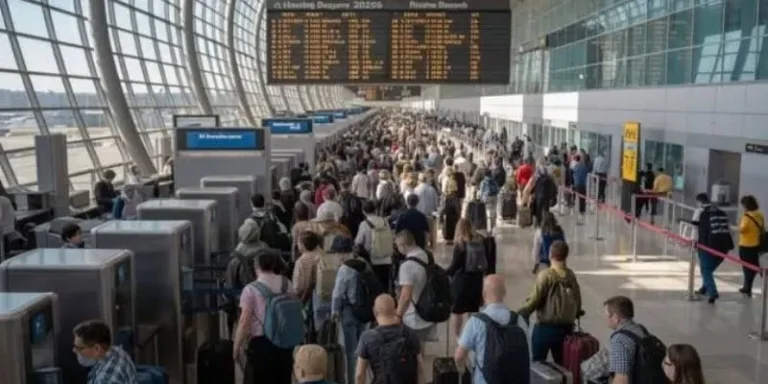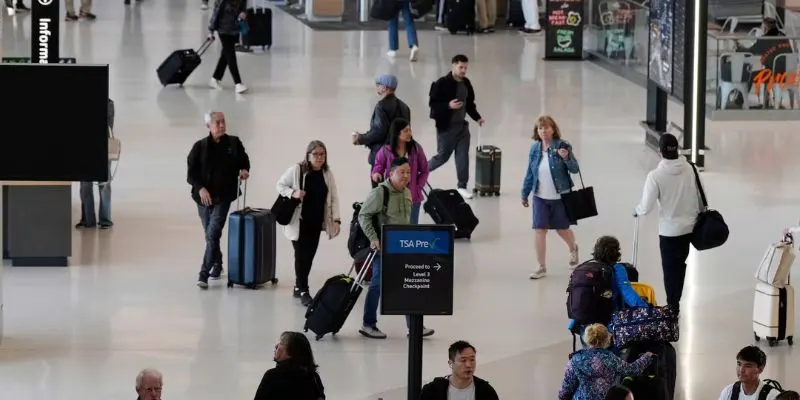

Being detained at a U.S. airport can be frightening, especially when someone is traveling to the United States for a green card or already has permanent resident status. Many travelers immediately ask: Can a green card applicant be detained at the airport? Why would a green card holder be detained? Can you be denied entry with a green card? What should you do if CBP stops you? The answer largely depends on the person’s immigration status, travel history, documents, and reason for the inspection. This Green Card Applicant Detained at Airport guide looks at what airport detention can involve, the typical reasons for it, what documents may be useful, and when you might need to seek professional immigration advice.
At ports of entry, such as international airports, U.S. Customs and Border Protection (CBP) performs immigration inspections. Even someone who has previously entered the United States without incident may be referred for further questioning upon re-entry from abroad.
Step 1: Green Card Applicant and Green Card Holder
These terms are often used interchangeably on the Internet, but they are not the same thing.
What is a green card applicant? A green card applicant is a person who applies for permanent residence through an immigrant visa, adjustment of status, or other immigration process. An applicant traveling to the United States may still be required to meet the requirements for admission.
A green card holder is already a lawful permanent resident (LPR); that is the formal term for green card holders.
This is important, as the inspection process and the legal issues may differ.
USCIS states that permanent residents may travel outside the United States; however, prolonged absences or evidence that an individual no longer intends the United States to be their permanent home may lead to concerns of abandonment.
Can a Green Card Applicant Be Detained at an Airport?
Yes. A person seeking admission to the United States can be referred for additional inspection by CBP.
Being sent for secondary inspection does not mean the person has been arrested or will be removed from the United States. CBP may ask you additional questions or review documents before deciding whether or not to admit you.
The reason for inspection may vary from one case to the other.
Officers may need to consider, for example:
- Immigration papers
- Passport and visa details
- History of travel
- Previous Immigration History
- Criminal record or active warrants
- Past immigration violations
- Duration of time outside the United States
- Whether the information furnished during inspection matches with the records of the government.
The real reason isn’t always obvious from the fact someone was taken to a separate inspection area.
Reasons for a Green Card Holder to Be Held at the Airport
A lawful permanent resident may face additional questioning for a number of reasons. Some situations can raise particular immigration concerns.
1. Long trips outside the United States
Extended time abroad can lead to questions about whether the person maintained permanent residence in the United States.
USCIS specifically warns that simply returning to the United States once a year does not automatically preserve permanent resident status. The circumstances surrounding the person’s residence and intention can matter.
2. Potential criminal issues
You are subject to additional scrutiny if you have a criminal conviction, pending criminal matter, warrant or other law-enforcement record.
Because the immigration consequences will depend on the specific offense and the circumstances, travelers with criminal records should seek individualized legal advice before traveling internationally.
3. Potential immigration violations
If the person has had immigration problems in his/her past, he/she can be re-questioned upon return to the United States.
Such as removal proceedings, or allegations of immigration fraud, misrepresentation, or other problems in an immigration record.
4. Inquiries about desertion of permanent residence
A green card shows that you are a permanent resident, but being a permanent resident is more than just having the card.
USCIS notes that the government may determine that a person has abandoned his or her permanent resident status if the person is outside the United States for extended periods of time or otherwise demonstrates that the United States is no longer his or her permanent home.
5. Documentation or identity issues
An expired, damaged, inconsistent, or questionable document may require additional inspection.
Travelers should check that their passport, green card, visa, and other relevant documents are in order and accessible before traveling.
What goes on in secondary inspection?
Secondary inspection is another security scan you get at the airport.
CBP may ask questions about the person’s
- Travel
- Home
- Work
- Relatives
- Past Travel
- History of Immigration
- Criminality history
- Files
The length of the secondary check can vary a lot. Some cases can be resolved fairly quickly, but others may require additional records, consultation with other agencies, or further processing.
Being placed in secondary inspection should therefore not automatically be interpreted as a final decision about immigration status.
Can CBP Take a Green Card Away at the Airport?
A green card holder should take any request to surrender or sign away permanent resident status seriously.
There are circumstances in which a permanent resident may voluntarily abandon status by signing Form I-407, Record of Abandonment of Lawful Permanent Resident Status. USCIS records describe cases in which a returning permanent resident was advised about the option of requesting an immigration judge hearing before voluntarily signing Form I-407.
Because signing a document can have significant consequences, a person who is being asked to give up permanent resident status should understand exactly what the document means before signing it.
If the situation involves possible abandonment, removal, criminal grounds, or another serious immigration issue, speaking with an experienced immigration attorney can be important.
Can You Be Denied Entry With a Green Card?
Having a green card does not mean every airport inspection will be routine.
Permanent residents returning from abroad may be subject to immigration inspection. USCIS notes that a permanent resident can be subject to a full immigration inspection in certain circumstances, including after being abroad for at least 181 days.
The outcome depends on the facts of the individual case.
Possible outcomes can include:
- Admission to the United States
- Additional inspection
- Requests for additional documentation
- Referral to another immigration process
- Further legal proceedings
A person should not assume that detention automatically means permanent loss of status.
What to do if you get stopped at the airport?
If you or a family member are being held, remain as calm as possible and concentrate on the situation at hand.
1. Give incorrect information
Answer questions truthfully. Misleading information can cause other problems with immigration.
2. Keep your important documents close by
If possible, obtain copies of relevant documents, including:
- passport;
- Permanent resident card
- Visa
- Approval Notices for Immigration
- Re-entry permit
- Travel Experience
- Any court papers
- Contact Information for Immigration Attorney
3. Ask what’s happening.
You can politely inquire if you are being detained for further inspection and what agency is handling the matter.
4. When to Call an Immigration Attorney
When your case involves possible deportation, abandonment of your permanent residence, criminal charges, fraud, or other serious immigration issues, you may also want to seek professional legal advice.
5. Do not sign documents you do not understand.
If you are asked to sign an immigration document, make sure you understand what you are signing. If you do not understand the document or its consequences, request appropriate assistance before signing when possible.
What If Your Green Card Is Expired?
An expired physical green card does not necessarily answer the question of whether someone has lost permanent resident status.
USCIS provides procedures and documentation for permanent residents dealing with expired or missing cards. Travelers should verify their specific documentation before making an international trip rather than assuming that an expired card automatically means they no longer have permanent resident status.
If you are outside the United States and have a documentation problem, contact the appropriate U.S. government office or seek qualified immigration advice before attempting travel.
What If You Have Been Outside the U.S. for More Than Six Months?
A long absence can attract additional questions.
USCIS explains that an absence of six months to one year can be relevant when there is evidence that the person did not intend to maintain the United States as their permanent home. An absence of one year or more can create additional travel-document and permanent-residence concerns.
That does not mean every person who spends more than six months abroad automatically loses a green card.
The circumstances of the trip and the person’s continuing ties to the United States can matter.
What Documents Can Help Show That You Maintained U.S. Home?
Useful evidence, if your travel history might call into question permanent residence, includes documents showing ongoing ties to the United States, such as
- U.S. Home or rental information
- Personnel records
- Tax files
- Bank Statements
- Bills (electricity)
- Insurance Files:
- Family bonds
- School records.
- Additional evidence of continued residence in the United States
The relevant evidence is a question of fact and circumstances.
Can Green Card Holders Travel Outside the U.S.?
Lawful permanent residents can usually travel abroad and return to the United States with appropriate travel documentation.
But international travel can complicate some circumstances, particularly if there are long absences, criminal issues, immigration proceedings, or issues about retaining permanent residence.
USCIS recommends that permanent residents who expect to remain outside the United States for more than 12 months consider applying for a reentry permit before leaving the country. USCIS also states that a reentry permit does not guarantee admission.
Final Takeaway
A green card applicant detained at an airport and a green card holder detained while returning to the United States are not necessarily facing the same legal situation.
Airport detention may involve anything from routine additional inspection to a more serious immigration issue. A green card holder should also understand that lengthy international travel, possible abandonment of residence, criminal matters, or problems in an immigration record can lead to additional scrutiny.
The safest approach is to travel with the appropriate documents, answer questions truthfully, avoid signing documents that you do not understand, and obtain qualified immigration advice when the situation involves a serious legal issue.
Important: Immigration cases are highly fact-specific, and this article is general information rather than legal advice. U.S. decisions may have major implications for immigration policy and for government procedures. Travelers should seek current information. If you’re planning your next trip, explore our guide to Best Places to Visit in October: Top Destinations for an Amazing Fall Trip for seasonal travel ideas and destination inspiration.